
I get asked this question a lot and the simple answer is; it depends! Mindfulness and meditation are a bit like driving a car. It takes time, lessons and patience to learn the basics and then regular practice to develop further.
Often the first hurdle people have in beginning a mindfulness or meditation practice is being committed. Let’s face it there is always something else to catch our attention which is why I think we need to be a bit more playful in learning these skills.
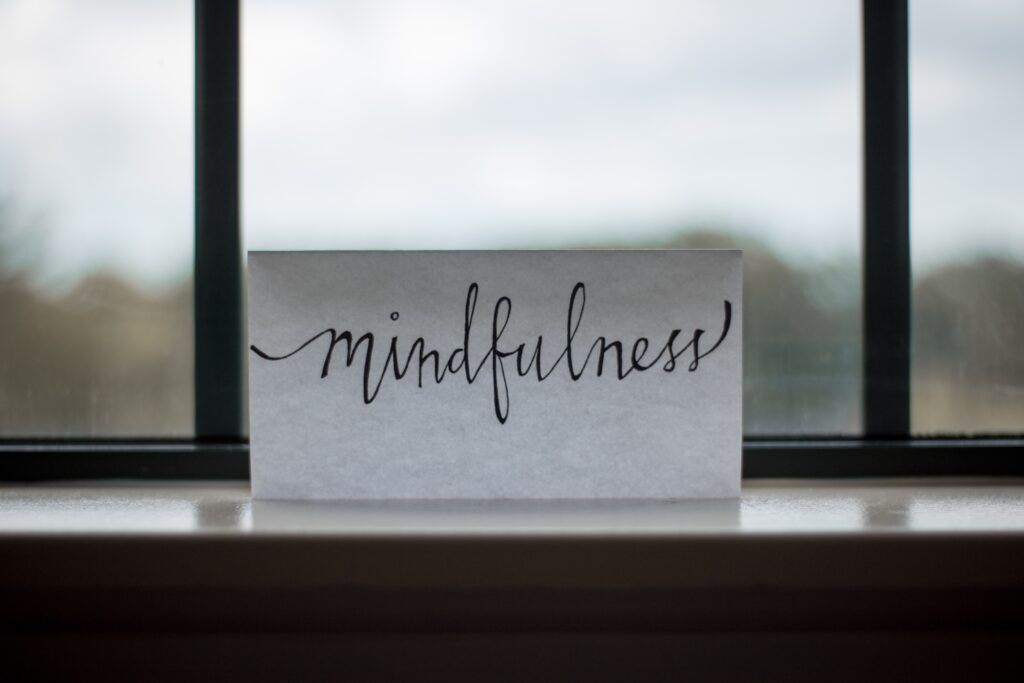
From ‘monkey mind’ to inner calm
Your brain is a powerful engine that has an average of 50,000 – 80,000 thoughts per day. That’s a lot of thoughts coming at a fast pace so it’s no wonder it can feel a bit busy ‘up there’ from time to time.
In Buddhist teachings, the overactive, playful and easily distracted untrained thinking mind is referred to as the ‘monkey mind’. Learning the skills of mindfulness, attention and meditation can help to slow down the busy monkey mind pace creating space for inner calm and maybe even bliss.
When I’m teaching clients about meditation and mindfulness I like to compare the thinking mind to a puppy. It’s excitable, enjoys distractions and can often find it hard to focus its attention.
I see the thinking mind like this. It needs ‘helpful’ distractions, to be trained to focus and not get distracted. It also enjoys treats so the more fun and easier they can be all the better.
So how do we retrain the brain?
The best way is to give it a few games to play with using things we already have readily available. Here are a few examples;
- Notice something specific e.g. like the texture of the palms of your hands
- Listen to the sounds in the space where you live and then sounds coming from further away
- Observe your breath. Notice how your body responds as you breathe in or, out.
All these examples encourage us to be in the present moment rather than in the past (history) or the future (made up stories) which is where are thought are most of the time.
Becoming the witness
Firstly give yourself a break and accept that your attention will get distracted at some point in your practice. So instead of giving yourself a hard time when the inevitable happens, notice when it does and give yourself a little pat on the back when it does. You’ve now become a witness to the thoughts and this is like a new superpower.
Now when you notice your attention shifting away from your practice you can witness this and then consciously choose to turn your attention back to the practice. This can feel empowering!
Finding a new way to feel calmer
Beginning to make new choices about where we focus our attention will over time and with lots of practice, lead you to a well trained thinking mind; one that can slow down the pace of the thoughts and find its way to stillness and maybe bliss. ( No promises on the last bit though!)
Modern science has now shown how having a regular meditation practice can help to “rewire” the neural pathways in your brain. Over time, you gradually become less reactionary and more measured and compassionate. Perhaps those around you may even begin to notice subtle changes in your responses and behaviour.
Mindfulness and meditation could even make you a nicer person and if you are jolly nice already maybe even more so!
Where and how to begin
To begin get clear about your motivation for beginning a new or, restarting a practice by answering the following questions;
- Why do you want to begin or, restart your mindfulness and meditation practice?
- How committed are you to learning this new life skill? Use a scale of 1 (not at all) and 10 ( absolutely).
- Can you commit to a minimum of 3 – 5 minutes daily to begin your practice?
Now you’ve got your answers here’s a bit of information about how you can begin your mindfulness and meditation training.
Consider how do you best learn, if you need flexibility etc. luckily there are lots of available options for you from online ‘live’, pre-recorded or in-person classes so it’s worth getting this bit right.
‘Rewire for Health’ meditation course
As encouragement, you can access the ‘Rewire for health’, a six week pre-recorded course on the Youtube channel. Please note: this was a live training so it is unedited. If you’d like to have some accountability as you work your way through the training then post your comments and I’ll be able to answer your questions. Make sure you subscribe to the channel and you’ll then be notified when new posts are uploaded.
Contact me if you’d prefer to arrange a private 1 to 1 session online (or in-person when permitted), or group sessions and sign up for the newsletter you’ll get news of classes.
Remember to keep it playful and enjoy exploring!
Take care & keep calm
Joe
🙂


0 Comments